


The digital landscape continues to evolve at an incredible pace, and web design in 2026 reflects a clear shift toward more intentional, human-centered, and intelligent experiences. Websites are no longer judged solely by how visually impressive they are, but by how effectively they communicate, adapt, and support users across devices and contexts. As technology becomes more powerful and accessible, expectations rise.
Users want websites that feel intuitive, responsive, inclusive, and fast without unnecessary complexity. This has influenced the most essential web design trends for 2026, pushing designers to find a balance between creativity, usability, performance, and sustainability.
In this article, we explore the key web design trends shaping 2026, from color systems and typography to AI-powered experiences, motion design, accessibility, and long-standing best practices that continue to define great digital products.
Colors
Color trends in 2026 reflect a growing desire for emotional warmth and visual comfort in an increasingly digital world. Designers are moving away from stark extremes and leaning into color palettes that feel layered, immersive, and intentional.
One of the strongest directions is the blending of organic and futuristic influences. Deep teals, muted blue-greens, and earthy neutrals are being paired with vibrant electric accents inspired by AI-generated visuals, LED displays, and bioluminescence. This contrast allows websites to feel both grounded and forward-thinking. Soft, “unbleached” neutrals are replacing pure white backgrounds. Shades resembling paper, limestone, sand, or warm gray reduce eye strain and create a more natural reading experience, particularly for content-heavy websites.
These tones also pair well with dark mode and dynamic theming systems. Accent colors remain essential, but they are used more strategically. Instead of dominating layouts, bold hues guide attention toward key actions, highlights, or interactive elements. In 2026, color is not decorative; it is functional, emotional, and deeply connected to UX.
Fonts
Typography continues to play a central role in defining digital identity. In 2026, fonts are no longer passive elements; they actively communicate personality, hierarchy, and emotion.
Bold and Expressive Fonts
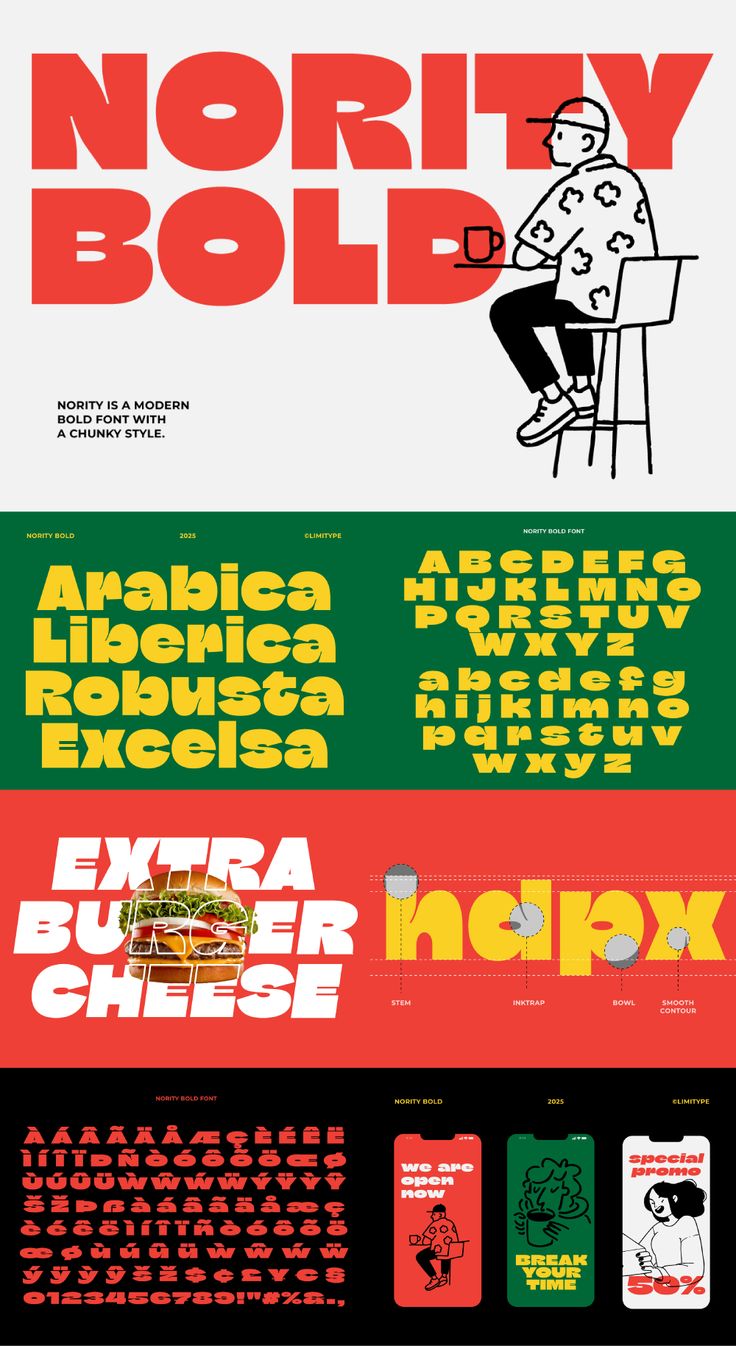
Large, confident type continues to define modern web design, but boldness in 2026 is about more than size. Designers are selecting expressive, heavyweight fonts to convey personality and attitude, often combining them with contrasting weights, refined spacing, or playful kerning. This contrast creates visual rhythm and strengthens brand identity. Bold typography allows websites to communicate tone instantly, reducing dependence on heavy imagery while keeping layouts clear and impactful.
Source: Pinterest
Kinetic Typography
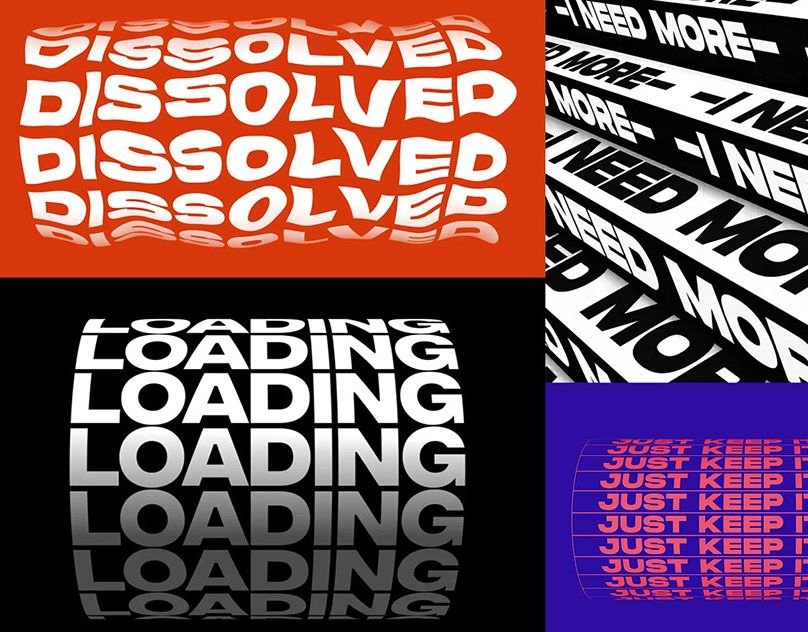
In 2026, typography is no longer static. Kinetic type brings movement into text, allowing letters to shift, stretch, and respond to scrolling, interaction, or rhythm. This approach transforms words into active elements of storytelling rather than passive content.
You’ll see kinetic typography across landing pages, product launches, music platforms, and UI animations, where even minimal layouts gain energy through subtle motion. Used thoughtfully, motion enhances presence and hierarchy, drawing attention without overwhelming the interface.
Source: Pinterest
Distorted and Experimental Typography
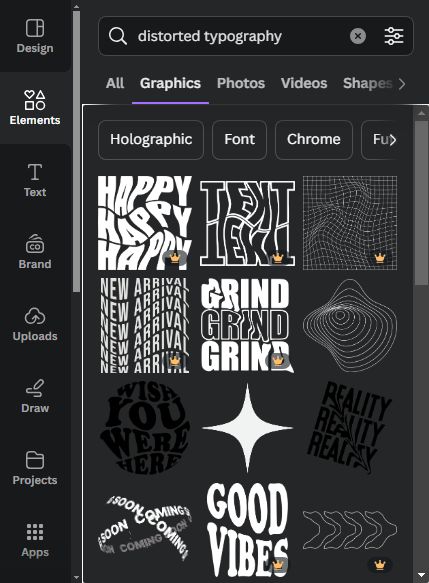
Perfect symmetry is no longer the standard. Designers are intentionally bending, warping, and disrupting traditional letterforms to introduce movement, emotion, and intrigue. Elastic shapes, uneven alignment, and imperfect details reflect a broader shift toward more human, less polished digital aesthetics.
This experimental approach is evident in editorial layouts, creative portfolios, and campaign visuals, where mood and character matter more than rigid structure. When applied with restraint, experimental typography adds individuality without compromising readability or usability.
Source: Pinterest
Navigation
Navigation design in 2026 is shaped by simplicity and intelligence. Users expect to find what they need quickly, without being overwhelmed by choices or complex menu structures. Designers are reducing top-level navigation items and organizing content more intentionally.
Mega menus still exist, but they are cleaner, more visual, and easier to scan. Icons, grouping, and clear hierarchy help users make decisions faster. Personalization is also playing a larger role. Navigation systems can adapt based on user behavior, showing relevant links to returning visitors or simplifying paths for new users. Sticky headers remain popular, but they are lighter, less intrusive, and designed to stay out of the way.
Overall, navigation in 2026 is less about showcasing everything and more about guiding users efficiently.
Blocks and Layout Structure
Block-based design continues to dominate modern web layouts. Modular sections allow designers to create flexible, scalable systems that adapt easily across screen sizes and content needs. In 2026, blocks feel more fluid and less rigid.
Designers are introducing subtle variations in spacing, background color, and alignment to avoid repetitive patterns. Asymmetry is used carefully to create visual interest without confusing users. Whitespace remains essential. Generous spacing improves readability, reduces cognitive load, and gives content room to breathe.
Well-designed layouts feel calm and intentional, even when they contain complex information. Block-based systems also support performance and maintainability, making them ideal for large websites, SaaS platforms, and design systems.
Animations, Motion, Scrolling, and Interactivity
Motion design is no longer optional; it is a fundamental part of modern UX. In 2026, animation is used with purpose, not decoration. Smooth transitions help users understand changes in state, navigation, and interaction.
Micro-animations guide attention, confirm actions, and make interfaces feel responsive. Abrupt changes are avoided in favor of continuity and flow. Scrolling has become a storytelling tool. Subtle parallax effects, layered depth, and progressive reveals turn long pages into engaging narratives.
Designers are careful to balance immersion with performance, ensuring a smooth experience across all devices. Interactivity is refined and intentional. Hover effects, touch feedback, and responsive elements all reinforce cause and effect, helping users feel in control of the interface.
Illustrations and Visualisations
Illustrations continue to be an effective way to humanize digital experiences. In 2026, illustrations are more abstract, expressive, and brand-driven rather than purely literal. Custom illustration systems help brands stand out while maintaining consistency across platforms.
They are often combined with motion, adding personality through subtle animation. Data visualisation is also evolving. Charts and graphs are becoming more interactive and easier to understand, with motion and microinteractions helping users explore information rather than simply view it. The goal is clarity first; visuals should explain, support, and enhance content, not distract from it.
Dark Mode
Dark mode remains one of the most popular web design trends in 2026, not just for its sleek, modern aesthetic, but also for its comfort and usability. The trend has matured into dynamic theming, where interfaces automatically adapt between light and dark based on system settings or individual user preferences, creating a more personal experience.
Modern implementations go beyond simple color inversion. Designers create separate palettes optimized for readability, contrast, and brand consistency. Dynamic theming allows websites to adapt automatically based on system preferences or user choice.
Dark mode also supports sustainability and battery efficiency on OLED and AMOLED devices, making it both a design and performance consideration.  Source: Pinterest
How to implement dark mode effectively:
- Design a ture dark mode rather than simply inverting colors.
- Build color palettes that reduce eye strain, preserve readability, and keep brand identity consistent across both themes.
- Optimize for mobile battery life, especially on OLED and AMOLED displays.
- Using true black where appropriate allows devices to save power and enhances the visual depth of the UI.
- Support smooth theme transitions by giving users control.
You can read more about how to implement dark mode in our blog post: “How to Implement Dark Mode?”
Microinteractions (Meaningful Interactions)
In 2026, microinteractions are moving from being simple little UI “extras” to becoming a key part of how people connect with a website. These tiny moments, like a button that gently ripples when you tap it or a toggle that snaps into place, give users immediate feedback and make the interface feel responsive and alive. But they’re no longer just decorative.
Designers are now using them more intentionally to guide users, clarify actions, and add personality to a brand. Microinteractions play a crucial role in shaping user perception. In 2026, these small details are more intentional and context-aware than ever before.
Examples include buttons that subtly respond to readiness, form fields that provide real-time guidance, and confirmation states that reduce uncertainty. These moments help users understand what is happening without needing instructions.
When designed well, microinteractions build trust, improve usability, and add a sense of polish and care to the overall experience. As people expect smoother, more delightful online experiences, microinteractions will continue to play a huge role. They make everyday actions, scrolling, tapping, clicking, and submitting forms not just functional, but a little more human and enjoyable.
Interactivity
Beyond microinteractions, overall interactivity is becoming more intelligent and more adaptive. Interfaces respond not just to clicks, but to behavior, timing, and context. Components may adjust based on user progress, preferences, or previous actions.
This creates experiences that feel personalized without being intrusive. Performance remains critical. Interactivity in 2026 is lightweight, optimized, and respectful of device limitations, especially on mobile devices.
Accessibility
Keeping your website accessible and inclusive is essential for meeting modern standards and ensuring every visitor can interact with your content without obstacles. An inclusive digital experience means designing and writing in a way that all users, regardless of ability, can easily navigate, understand, and engage with your site. Accessibility is no longer optional.
In 2026, inclusive design is a baseline expectation for any professional website.
Designers should prioritize:
- Clear language and logical structure
- High contrast and readable typography
- Keyboard navigation and screen reader support
- Alternatives to motion and visual overload
Accessible design improves usability for everyone, not only users with disabilities. It also protects brands from legal and reputational risk while expanding reach.
Sustainability
Sustainable web design is all about creating digital experiences that consume fewer resources and place less strain on the environment. It encourages businesses to rethink how their websites are built and maintained, from performance and content decisions to visual choices and technical architecture to lower energy use and reduce their carbon footprint. In practice, this means enhancing clarity, usability, and efficiency across the entire digital ecosystem.
Websites consume energy through hosting, data transfer, and device usage.
Sustainable practices include:
- Minimalist UX and efficient layouts
- Optimized images and lightweight assets
- System fonts or compressed font files
- Mobile-first performance optimization
Sustainability often aligns naturally with better UX, faster loading times, and improved SEO, making it both an ethical and strategic choice.
Chatbots
Instant communication is now a core part of the user experience. Faster answers lead to better engagement, which is why modern chat systems blend automation with human support. The result: smoother customer journeys and higher conversions when visitor intent is at its peak.
Chatbots are now a standard feature for many websites, especially in SaaS, ecommerce, and service-based industries. In 2026, they are more conversational, helpful, and integrated into the overall UX.
Modern chat systems focus on:
- Real-time assistance
- Clear escalation to human support
- Consistent brand tone
When used appropriately, chatbots reduce friction, increase conversions, and improve customer satisfaction.
Implementation Tips:
- Automate FAQs and routine questions, but route complex inquiries to your support team.
- Maintain a conversational, on-brand tone across all chat interactions.
- Regularly review chat transcripts to improve responses and refine user flows.
AI-Powered and AI-Generated Experiences
Artificial intelligence is deeply influencing web design trends in 2026. AI tools assist with content generation, personalization, layout suggestions, and user support. AI-powered personalization allows websites to adapt content, navigation, and recommendations based on behavior and context.
AI-generated visuals and copy speed up workflows while still requiring human oversight to maintain quality and ethics. The most successful implementations treat AI as an assistant, not a replacement for thoughtful design.
VR and AR
Virtual and augmented reality continue to evolve, though they remain specialized rather than mainstream. In 2026, VR and AR are most effective in product visualization, virtual tours, and immersive brand experiences.
High costs and accessibility limitations mean these technologies are best used strategically rather than universally. When applied thoughtfully, they can create powerful differentiation.
Source: Pinterest
Web Design Trends That Remain Essential
Not all trends are new. Many foundational principles remain critical in 2026 and continue to shape effective web design.
Mobile-first design is non-negotiable, with most traffic coming from mobile devices.
Whitespace remains essential for clarity and readability.
Strong UX foundations continue to define successful websites.
Clear CTAs guide users toward meaningful actions.
Well-structured headings improve both usability and SEO.
These long-standing best practices provide stability amid evolving trends.
Conclusion
The most essential web design trends for 2026 reflect a broader shift toward clarity, empathy, and intelligence. Designers are creating experiences that feel human, inclusive, and purposeful without sacrificing performance or innovation.
By embracing thoughtful color systems, expressive typography, meaningful motion, accessibility, sustainability, and AI-powered tools, businesses can build websites that are not only visually modern but strategically effective. In 2026, excellent web design is not about doing more. It is about doing what matters for the better.


