


What if the single biggest driver of your next quarter’s profit isn’t in the sales pipeline, but already in your CRM?
While sales teams focus on filling the top of the funnel, your company’s real financial health depends on what happens after the contract is signed. When evaluating the core business metrics that drive company growth, treating customer retention as a secondary support task leaves significant margin on the table. It makes sustainable growth far harder to achieve.
To scale predictably, you need a systematic approach to client success and customer retention. In this article, you will learn how to measure retention metrics, align your product-service experience, and maximize customer lifetime value.
Why Focusing Only on New Customers Costs You Money
Most companies allocate most of their marketing budgets to acquiring new customers while often overlooking existing ones. However, customer acquisition has become significantly more expensive in recent years. Digital advertising costs keep rising, and market saturation makes prospective customers harder to convert. Focusing only on new customers makes it much more challenging to maintain strong profits.
Acquiring a new customer usually costs 5 to 25 times more than keeping an existing one. Think about everything that goes into winning a new customer: ad spend, sales calls, multiple meetings, and onboarding time. As a result of these high costs, companies will often break even or lose money on the first sale.

Relying solely on new customer acquisition can severely drain your margins.
In contrast, your current customer base is an established asset. Since these customers already know your business and trust your service, selling to them again takes far less effort and costs much less. This directly increases your customer lifetime value and ensures sustainable growth by protecting existing revenue while you add new sales.
Maximizing Customer Lifetime Value for Sustainable Profits
Why CLV is the Ultimate Executive Metric
For any business leader, customer lifetime value (CLV or LTV) is the most important metric for understanding what a customer is actually worth to your business over time. Standard marketing reports often focus on short-term activity like website traffic, number of leads generated, or initial sales revenue. CLV measures something far more practical: the total net profit a customer generates over their entire relationship with your business. More loyalty equals better customer retention, which means much higher profits.
Knowing your CLV is crucial because it determines your acquisition budget. When you know the long-term revenue a customer generates over two, three, or five years, you can set a clear limit for your customer acquisition cost (CAC).
A practical approach to budgeting is using the CLV to CAC ratio:
- 1:1 ratio: If you spend €1,000 to win a customer who brings in €1,000 over their lifetime, the sale loses money once you include all costs.
- 3:1 ratio: Earning €3,000 in lifetime value for every €1,000 spent on acquisition is the benchmark for healthy growth. It covers your sales costs and leaves clear profit to reinvest in the business.
- 5:1 ratio: Earning €5,000 or more per €1,000 spent is quite high, and it usually means that you are under-spending on marketing and leaving market share to your competitors.
Comparing CLV and CAC helps you control spending, quickly spot your best- performing channels, and build a clear case when you need to justify marketing investments to your board.
Moving Beyond One-Off Transactions
Maximizing CLV requires shifting from single sales toward building long-term customer value. Initial acquisition costs usually consume most, if not all, of the margin on a customer’s first purchase. True profitability comes after that first transaction, when you cover acquisition costs and the customer continues to engage with your business. Building a loyal customer base is what makes this happen. Strong customer loyalty means customers spend more and stay with your business for years.
Companies increase CLV by focusing on three core levers:
- Sell more often: Ensuring that customers purchase products or renew service contracts with your company more often. Instead of relying on one-off projects where you constantly have to re-pitch your services, encourage customers to transition into monthly subscriptions or recurring maintenance agreements. This shift creates a predictable, steady cash flow for your business. You can make renewals feel natural by setting up automatic reminders, scheduling frequent performance reviews, and conducting proactive account reviews well before your contract expires.
- Sell higher value: Expanding the overall financial worth of your existing contracts as your customers’ businesses grow. Once a customer trusts your team, it’s much easier to increase their total spend with you. You can achieve this through upselling, which involves guiding clients towards higher service tiers or premium features. Cross-selling is another option: offer additional services to solve other operational problems.
- Keep clients longer: Minimizing customer churn is the quickest way to increase CLV. Do this by offering easy onboarding, answering questions promptly, scheduling regular account reviews, and consistently delivering clear return on investment (ROI).
Beyond driving higher revenue, a strong CLV delivers long-term financial stability and predictable cash flow. When a reliable portion of your monthly income comes from existing customers, your company is far better protected against quiet seasons, rising acquisition costs, unexpected operational challenges, or sudden market shifts.
How to Calculate and Improve Customer Retention Rate

Regularly checking your CRR helps identify churn trends early.
Understanding the Customer Retention Rate Formula
To improve customer retention, you first need a consistent way to measure it. The percentage of active clients who stay with your company over a set period is called your customer retention rate (CRR).
You can calculate customer retention using this formula:
Customer Retention Rate(CRR): [E-N/S] x 100
Where:
E= Number of customers at the end of the period
N= Number of new customers acquired during the period
S= Number of customers at the start of the period
By checking your CRR monthly or quarterly, you can quickly spot trends and see exactly where clients drop off in their journey.
Strategic Benefits of High Customer Retention
Tracking your customer retention rate is only the first step. Understanding the business benefits of maintaining a high retention rate explains why retention is your most profitable growth strategy:
- Takes pressure off sales: High customer retention creates a stable revenue flow, meaning your sales team doesn’t have to scramble endlessly for new leads to replace lost business.
- Shields you from competitors: Satisfied clients don’t shop around or listen to pitches from other companies.
- Increased pricing power: Long-term customers who consistently see a strong ROI are far less price-sensitive because they already know and trust the quality of your work.
- Organic growth via referrals: Happy, long-term customers become your best marketing asset, bringing in pre-qualified new clients through word of mouth and testimonials at zero acquisition cost.
- Higher operational efficiency: Working with existing clients is much easier because your team already knows their goals, processes, and communication style.
Actionable Steps to Improve Customer Retention
Improving customer satisfaction and keeping your retention rate high comes down to four simple steps:
First, calculate your customer retention rate to figure out where customers are dropping off. Once you know where the gaps are, focus on helping new customers see valuable results as quickly as possible. Next, keep a close eye on client happiness with quick check-ins or short surveys like CSAT or NPS so you can fix small issues before they become bigger problems. Lastly, watch for signs of low activity because addressing them early helps you resolve issues or retain customers before they even consider canceling.
Core Elements of an Effective Customer Retention Strategy
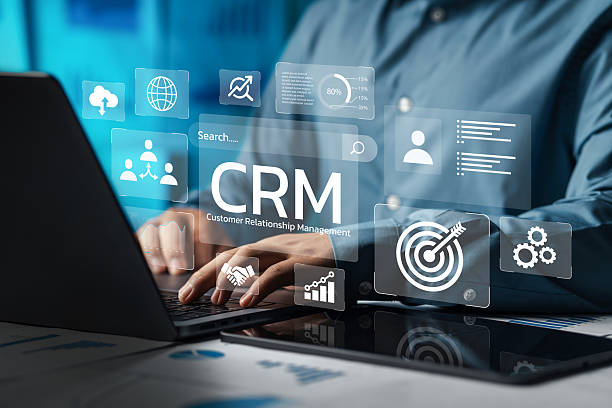
A well-structured CRM acts as an early warning system against client churn.
Implementing CRM Architecture
Your customer relationship management (CRM) platform is the foundation of your customer retention strategy. Instead of treating your CRM simply as a digital address book, structure it to track the entire customer journey and detect churn indicators long before a contract is up for renewal.
Properly set up, your CRM lets your team be proactive. Rather than reacting only after a customer cancels their service, CRM tools can identify early warning signs of dissatisfaction, such as decreased platform use, fewer orders, or an increase in support tickets. At these points, you will receive notifications that let you act and retain customers.
Aligning Product Service Delivery and Customer Experience
All strategies aimed at customer retention will ultimately fail if the essence of your business, your product or service, doesn’t meet its promises. From day one, managing and exceeding customer expectations must be built directly into your product service delivery.
According to a 2025 PwC survey, just one poor service or product experience is enough to make 52% of customers leave for competitors immediately. You must ensure what you offer is functional and meets customer expectations. However, in this highly competitive environment, an excellent product alone may no longer be enough to retain customers. Customers need an overall easy, positive customer experience.

Strategic customer retention requires continuous alignment across marketing and service delivery.
This is where a complete customer experience (CX) comes into play. CX covers every single touchpoint a customer has with your company – from the initial sales pitch to support and performance meetings. Your service might be top-tier, but if the overall customer experience is frustrating, customers will eventually look for alternatives. Combining excellent service quality with a smooth experience is what will ultimately build a sustainable business relationship.
Turning Customer Feedback into Better Experiences
Customer feedback is one of the most powerful tools to grow your business, but too many companies collect it only as a formality. If you want to consistently go above and beyond for your customers, you need a simple system to gather their feedback, understand it, and act on it. When clients see that their thoughts genuinely shape how you work, they feel valued and stick around much longer.
Exceeding customers’ expectations starts with effective listening throughout the whole customer journey. Don’t wait for feedback to come to you; take the initiative to reach out at key moments, such as after onboarding or when you complete an important project. You can measure this with tools we mentioned earlier, such as NPS, CSAT, or quick check-ins.
If the survey raises a red flag, act immediately. Acting quickly and resolving issues builds trust and can turn a dissatisfied customer into a loyal advocate. On the flip side, when you spot your happiest clients, that’s your cue to ask for a referral or introduce them to a higher service tier. Over time, analyzing this feedback helps you smooth out any process friction, upgrade your services, and stay relevant to the market.

Long-term partnerships built on trust maximize customer lifetime value.
Conclusion
At the end of the day, growing your business isn’t always about finding the next great opportunity; it’s about protecting the revenue you have already earned. With customer acquisition costs rising, investing in customer retention becomes the most direct path to staying profitable.
By using your data to spot potential problems, acting on feedback, and making it easy for clients to do business with you, you remove the guesswork from customer retention. Treat your current clients as your highest-priority growth channel, and they will become your single most profitable marketing strategy.


